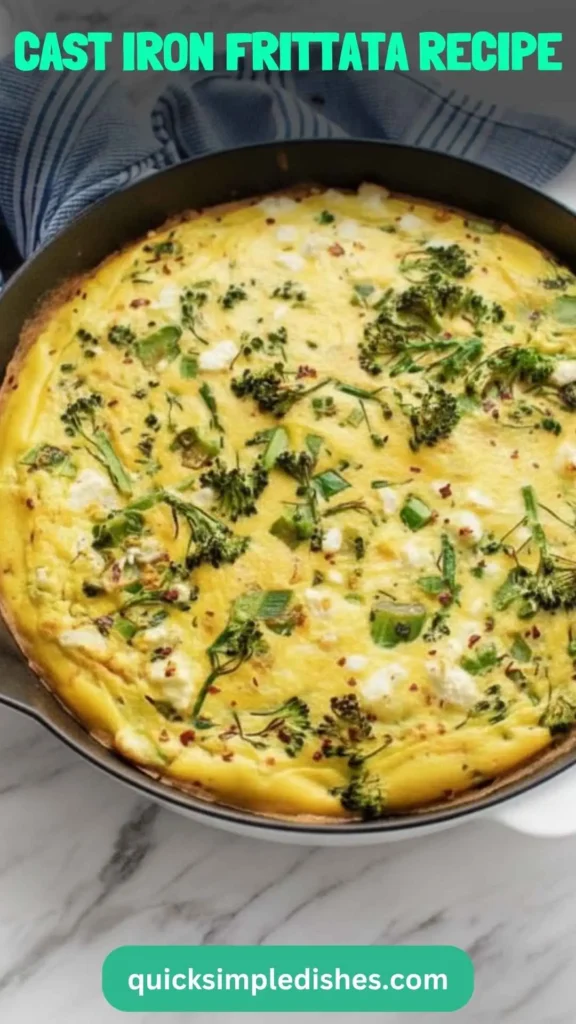
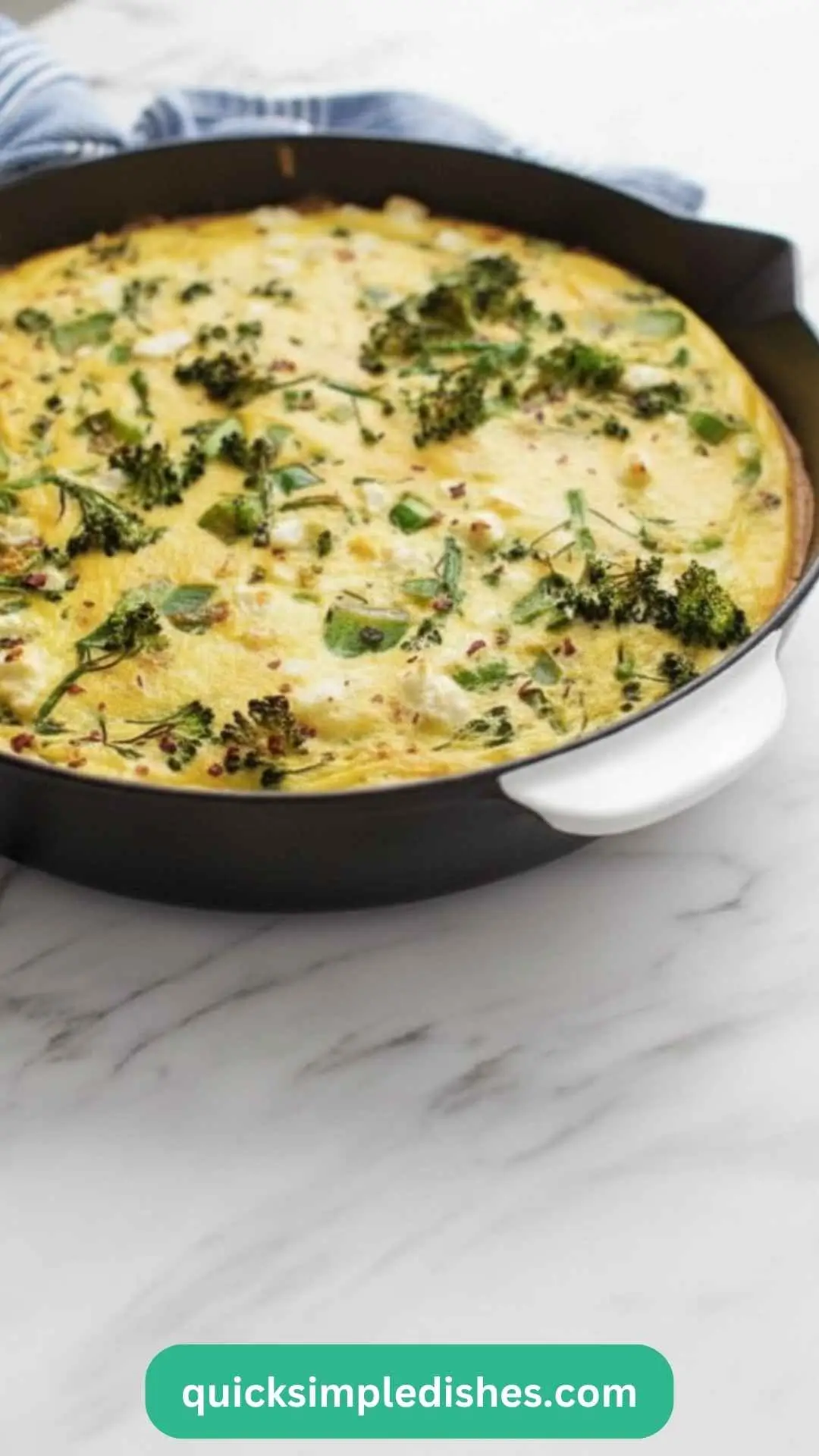
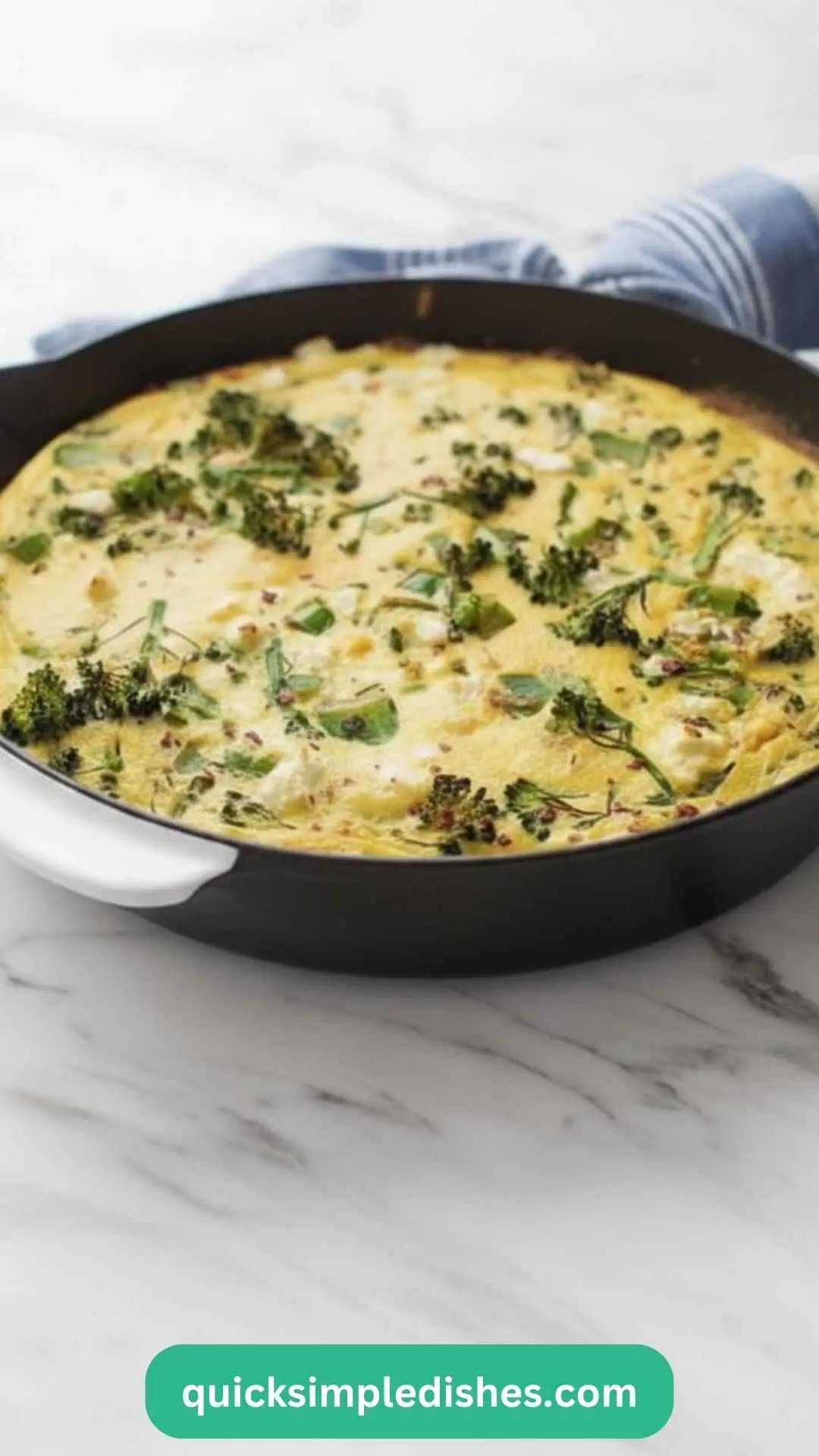
There’s something incredibly satisfying about dishes that feel simple but deliver so much flavor and elegance. A frittata is one of them. It’s my go-to for brunches, light dinners, and last-minute meals when I need something filling and fresh with very little fuss.
This cast iron frittata recipe is all about versatility and heart. While other egg dishes like omelets or scrambles require working quickly over a stove, a frittata lets the oven do the heavy lifting. The cast iron skillet is the hero, it transitions seamlessly from stovetop to oven, holds heat beautifully, and encourages even cooking without overcomplicating things.
If you’ve never made a frittata before, this guide will set you up for success. If you’re already a frittata fan, I’m going to give you 5 seasonal vegetable variations so you can keep it exciting all year long.
What Is a Cast Iron Frittata?
A frittata is a traditional Italian egg dish known for its open-face, unfolded form. Unlike a quiche, it doesn't include a crust or heavy cream. Instead, it relies on beaten eggs, vegetables, optional cheese, and herbs, all cooked together in a single pan until the eggs are puffed, set, and golden.
A cast iron frittata is a frittata prepared specifically in a seasoned or enameled cast iron skillet. This pan is ideal because it holds heat evenly and can safely transfer from the stovetop to the oven. The result: gently cooked eggs with a golden top, caramelized vegetables, and edges that slice clean every time.
You can enjoy a frittata warm, at room temperature, or cold from the fridge. It’s naturally gluten-free, super customizable, and excellent for feeding a family or prepping for packed lunches.
Why You'll Love This Cast Iron Frittata
Let me walk you through why this cast iron frittata recipe has become a staple in my kitchen and why it’s worth adding to yours. First, it’s incredibly flexible. Whatever veggies you have sitting in the fridge, whether it’s spinach, mushrooms, zucchini, or even leftover roasted sweet potatoes, can become part of the mix.
Second, the cast iron skillet sets it apart. It’s not just for seasoning snobs. Cast iron develops a nonstick quality over time, and it keeps the frittata firm around the edges while cooking it evenly through the center.
This dish is meal-prep gold. I’ve packed slices for hiking trips, quick breakfasts between clients, and casual Sunday brunches with friends. Depending on what herbs and cheese you use, it always tastes a little different but is always delicious.
If you're trying to eat more veggies, reduce waste, or just simplify breakfast prep, frittatas are a solution that never feels like a compromise.
Why You Can Trust This Recipe
I’m Laura Bennettan, a registered dietitian and self-taught home cook with over a decade of experience developing family-friendly, nutrient-balanced recipes. I’ve tested this exact frittata method dozens of times in home kitchens and during nutrition workshops I’ve led.
This recipe is based on real-world practicality, it uses everyday ingredients, doesn’t overcomplicate the cookware, and always results in a fluffy and flavorful final product. Everything I recommend, from the egg-to-veggie ratio, to oven timing, to pan safety, is grounded in personal testing, home cooking routines, and feedback from my students, clients, and family.
This guide is not just written from notes, it comes from lived kitchen experience. You’ll get the results you want without needing to be a professional chef.
The Ingredients You Will Need to Make Cast Iron Frittata
Base Recipe:
6 large eggs (8 for a 12-inch skillet)
¼ cup unsweetened almond milk (or any milk)
2 garlic cloves, finely minced
¼ teaspoon sea salt (plus more to taste)
Freshly ground black pepper, to taste
Extra virgin olive oil, for drizzling
Cheese & vegetables of your choice (see below)
Optional Frittata Variations (Choose One or Use as Inspiration):
Variation 1: Broccoli Feta
6 scallions, chopped
2 cups broccoli or broccolini, chopped
⅛ teaspoon smoked paprika
¼ cup crumbled feta
Variation 2: Roasted Red Pepper & Spinach
1 shallot, chopped
2 roasted red bell peppers, chopped
2 cups fresh spinach
⅓ cup crumbled feta
Variation 3: Spring Veggie
4 spring onions or scallions
½ cup chopped asparagus (tender stems only)
½ cup thawed frozen peas
½ cup mini mozzarella balls (halved)
¼ cup crumbled feta
¼ cup chopped tarragon or chives
Variation 4: Mixed Mushroom & Tarragon
1 shallot, chopped
12 ounces mixed mushrooms, chopped
¼ cup fresh tarragon, chopped
⅓ cup grated pecorino cheese
Variation 5: Caprese Style
1 shallot, chopped
2 cups halved cherry tomatoes
¾ cup halved mini mozzarella balls
½ cup fresh sliced basil leaves
Step-by-Step Instructions
Step 1: Prepare the Base Preheat your oven to 400°F. In a medium bowl, whisk together the eggs, almond milk, garlic, sea salt, and a few grinds of black pepper until fully combined and slightly frothy. Set aside.
Step 2: Cook the Vegetables Choose one of the variation sets or use your own combo. Heat olive oil in your 10- or 12-inch cast iron skillet over medium heat. Add aromatics (like shallots or scallions) with a pinch of salt, and cook 2 to 3 minutes until softened. Add your greens, peppers, mushrooms, or asparagus and sauté for another 5–8 minutes until tender but still vibrant.
Step 3: Season and Layer Flavors Add any seasoning (like herbs or paprika) and stir to combine evenly. Spread the veggies evenly across the skillet’s surface. Once the egg goes in, you don’t want to stir the vegetables anymore.
Step 4: Pour and Shake Pour the whisked egg mixture over the vegetables in the skillet. Gently shake or tilt the pan to help the eggs distribute evenly. Sprinkle cheese evenly over the surface.
Step 5: Bake to Finish Transfer the skillet to the oven and bake for 15 to 20 minutes, or until the eggs are set in the center and the top is lightly golden around the edges. The center should no longer jiggle.
Step 6: Cool and Serve Remove from the oven and let it cool for 5 minutes. The cast iron will stay hot, so use oven mitts. Slice into wedges and serve warm, room temperature, or chilled.
Notes
Use a well-seasoned cast iron or enameled cast iron skillet for the best nonstick results.
If your veggies release a lot of moisture (like mushrooms or spinach), sauté them longer to prevent sogginess.
Don’t use too much milk—it can make the frittata rubbery.
Letting it cool slightly before slicing gives cleaner wedges.
Store leftovers in an airtight container for up to 4 days.
Storage Tips
Allow to cool completely before storing
Store slices in sealed glass or plastic containers in the refrigerator
Eat cold, room temp, or reheat gently (microwave or skillet)
Great for breakfast meal prep or quick lunches
Do not freeze if using fresh mozzarella—it changes the texture
Serving Suggestions
Here are some fun ideas on how to elevate your frittata experience:
French Toast or Pancakes Pair sweet and savory for a classic brunch combination that checks every craving.
Fruit Salad with Citrus & Mint A light, juicy side that keeps things feeling fresh and palate-cleansing.
Kale or Arugula Salad Toss greens with lemon juice, olive oil, and parmesan for a simple, peppery contrast to the creamy frittata texture.
Avocado + Lemony Yogurt Spoon some thick yogurt on the side, swirl in lemon zest, and add sliced avocado to make it feel extra special.
Sourdough Toast or Rustic Bread A crunchy slice of bread with butter or pesto ties everything together beautifully.
Make it Tex-Mex Serve with tomatillo salsa or pico de gallo, sliced radishes, and hot sauce for a spicy twist.
What Other Substitutes Can I Use in Cast Iron Frittata Recipe?
Egg Substitutes A chickpea flour egg mix or tofu scramble base can work for those avoiding eggs. Texture will vary, but flavor can still shine.
Milk Options Any non-dairy milk works, as long as it’s unsweetened. Oat milk and soy milk have a nice richness.
Cheese Swaps No feta? Use goat cheese, grated gruyère, or sharp white cheddar. Avoid pre-shredded cheese, it doesn’t melt well.
Vegetables You can clean out your fridge for this dish. Use sautéed zucchini, diced sweet potatoes, bell peppers, kale, or even leftover roasted veggies.
Herbs Use what you have: parsley, dill, mint, cilantro, even green onions can work beautifully, depending on the flavor profile you’re going for.
No Cast Iron? Use any broiler-safe skillet or enameled pan that can go from stovetop to oven. If needed, transfer veggie mix to a baking dish after stovetop steps.
Conclusion
This cast iron frittata recipe effortlessly blends real-life convenience with incredible flavor. It’s adaptable, beautiful, and practical, all the traits you want in a go-to breakfast or dinner option. Whether you're using farmers' market finds or pantry staples, the method stays the same: a warm skillet, fresh toppings, and a few eggs can turn into something that feels much more special than the sum of its parts.
Great hot or cold, forgiving with ingredients, and impressive to serve, even on your busiest days, this recipe belongs in your regular rotation.
Pull out your skillet, crack some eggs, and let the oven work its magic.
This cast iron frittata recipe shows off just how easy and delicious cooking with a single pan can be. Start with a base of fluffy beaten eggs, garlic, a splash of milk, and your favorite vegetables, from seasonal asparagus to earthy mushrooms. Cook everything in a trusty cast iron skillet, sprinkle with cheese, and finish in the oven until golden and set. Whether it’s brunch for a crowd or a cozy night in, this versatile dish makes a beautiful centerpiece packed with fresh, savory flavor.
Ingredients
Base Recipe:
6large eggs (8 for a 12-inch skillet)
1/4cup unsweetened almond milk (or any milk)
2garlic cloves, finely minced
1/4teaspoon sea salt (plus more to taste)
Freshly ground black pepper, to taste
Extra virgin olive oil, for drizzling
Cheese & vegetables of your choice
Optional Frittata Variations (Choose One or Use as Inspiration):
Variation 1: Broccoli Feta
6scallions, chopped
2cups broccoli or broccolini, chopped
1/8teaspoon smoked paprika
1/4cup crumbled feta
Variation 2: Roasted Red Pepper & Spinach
1shallot, chopped
2roasted red bell peppers, chopped
2cups fresh spinach
1/3cup crumbled feta
Variation 3: Spring Veggie
4spring onions or scallions
1/2cup chopped asparagus (tender stems only)
1/2cup thawed frozen peas
1/2cup mini mozzarella balls (halved)
1/4cup crumbled feta
1/4cup chopped tarragon or chives
Variation 4: Mixed Mushroom & Tarragon
1shallot, chopped
12ounces mixed mushrooms, chopped
1/4cup fresh tarragon, chopped
1/3cup grated pecorino cheese
Variation 5: Caprese Style
1shallot, chopped
2cups halved cherry tomatoes
3/4cup halved mini mozzarella balls
1/2cup fresh sliced basil leaves
Instructions
Step 1: Prepare the Base
1
Preheat your oven to 400°F. In a medium bowl, whisk together the eggs, almond milk, garlic, sea salt, and a few grinds of black pepper until fully combined and slightly frothy. Set aside.
Step 2: Cook the Vegetables
2
Choose one of the variation sets or use your own combo. Heat olive oil in your 10- or 12-inch cast iron skillet over medium heat. Add aromatics (like shallots or scallions) with a pinch of salt, and cook 2 to 3 minutes until softened. Add your greens, peppers, mushrooms, or asparagus and sauté for another 5–8 minutes until tender but still vibrant.
Step 3: Season and Layer Flavors
3
Add any seasoning (like herbs or paprika) and stir to combine evenly. Spread the veggies evenly across the skillet’s surface. Once the egg goes in, you don’t want to stir the vegetables anymore.
Step 4: Pour and Shake
4
Pour the whisked egg mixture over the vegetables in the skillet. Gently shake or tilt the pan to help the eggs distribute evenly. Sprinkle cheese evenly over the surface.
Step 5: Bake to Finish
5
Transfer the skillet to the oven and bake for 15 to 20 minutes, or until the eggs are set in the center and the top is lightly golden around the edges. The center should no longer jiggle.
Step 6: Cool and Serve
6
Remove from the oven and let it cool for 5 minutes. The cast iron will stay hot, so use oven mitts. Slice into wedges and serve warm, room temperature, or chilled.
Nutrition Facts
Servings 4
Amount Per Serving
Calories250kcal
% Daily Value *
Total Fat18g28%
Saturated Fat6g30%
Cholesterol210mg70%
Sodium380mg16%
Total Carbohydrate4g2%
Dietary Fiber1g4%
Sugars2g
Protein14g29%
* Percent Daily Values are based on a 2,000 calorie diet. Your daily value may be higher or lower depending on your calorie needs.
Note
Use a well-seasoned cast iron or enameled cast iron skillet for the best nonstick results.
If your veggies release a lot of moisture (like mushrooms or spinach), sauté them longer to prevent sogginess.
Don’t use too much milk—it can make the frittata rubbery.
Letting it cool slightly before slicing gives cleaner wedges.
Store leftovers in an airtight container for up to 4 days.
Keywords:
cast iron frittata recipe
Laura Bennett
Registered dietitian, home cook and food blogger
I'm Laura Bennett, a registered dietitian and home cook from Bellingham, Washington. I know life gets busy, and eating healthy can feel hard. That’s why I share easy, homemade recipes made with fresh, simple foods. My goal is to help people feel good, eat well, and enjoy every meal, without stress.